


Of course, you can enjoy a cup of matcha from the comfort of your sofa, but how about immersing yourself in sacred traditions – and gaining even more from the experience – by taking part in a matcha tea ceremony? These ceremonies, also known as chanoyu or sadō, are a central part of Japanese culture and are often held to celebrate special occasions or welcome guests.
But where should you begin? Let us guide you through the meaning and stages of a matcha tea ceremony while highlighting the benefits of this ancient tradition.
Matcha tea ceremonies are often held to celebrate special occasions or welcome guests.
Understanding the Matcha Tea Ceremony
The origins of the matcha tea ceremony date back to the 12th century, and it remains a revered part of Japanese culture today. At its heart, the ceremony is a form of meditation and an opportunity to connect with oneself, others and nature. Tea ceremonies also embody the traditional Japanese values of respect, harmony, purity and tranquillity.
Every element of the ceremony is carefully chosen to enhance the experience, including the tea room, utensils, tea and sweets. The ceremony is generally led by an experienced host who uses specialised tools and techniques to prepare and serve the tea to the guests. The ceremonial utensils include:
- Fukusa (silk cloth)
- Usuki (thin-tea container)
- Cha-ire (thick-tea container)
- Chashaku (tea scoop)
- Chawan (tea bowl)
- Chasen (bamboo whisk)
- Chakin (linen cloth)
By participating in this sacred ritual, guests can fully immerse themselves in the beauty and serenity of Japanese tea culture.
Preparing for a Matcha Tea Ceremony
Preparation is an important part of a matcha tea ceremony, as it involves careful attention to even the smallest aesthetic details. While the host's preparations create a beautiful setting for the ceremony, they also encourage guests to be mindful and appreciate their surroundings.
The first step is to create the atmosphere of the tea room. It should be clean and simple, with minimal decoration. Natural elements such as flowers or a bonsai tree may also be added to create a peaceful setting.
The second step is to select the utensils, including a tea bowl, bamboo whisk, tea scoop and cloth. These utensils should be made from natural materials such as bamboo, wood or clay.
The third step is to prepare the tea room by arranging the utensils and placing a kettle of hot water and a bowl of matcha nearby.
Steps of the Matcha Tea Ceremony
As you now know, the art of preparing matcha is about more than making a delicious cup of tea. It is an ancient Japanese tradition that celebrates mindfulness, beauty and hospitality. The next part of the ceremony involves presenting the matcha in a serene setting, where every movement, gesture and sound carries meaning and is carefully choreographed to create a moment of harmony and connection between the host and the guests.
The rituals apply not only to the host. Guests are also expected to observe the etiquette of the ceremony by bowing as they enter, respecting the meditative atmosphere and sitting in an order that reflects their experience of the ceremony.
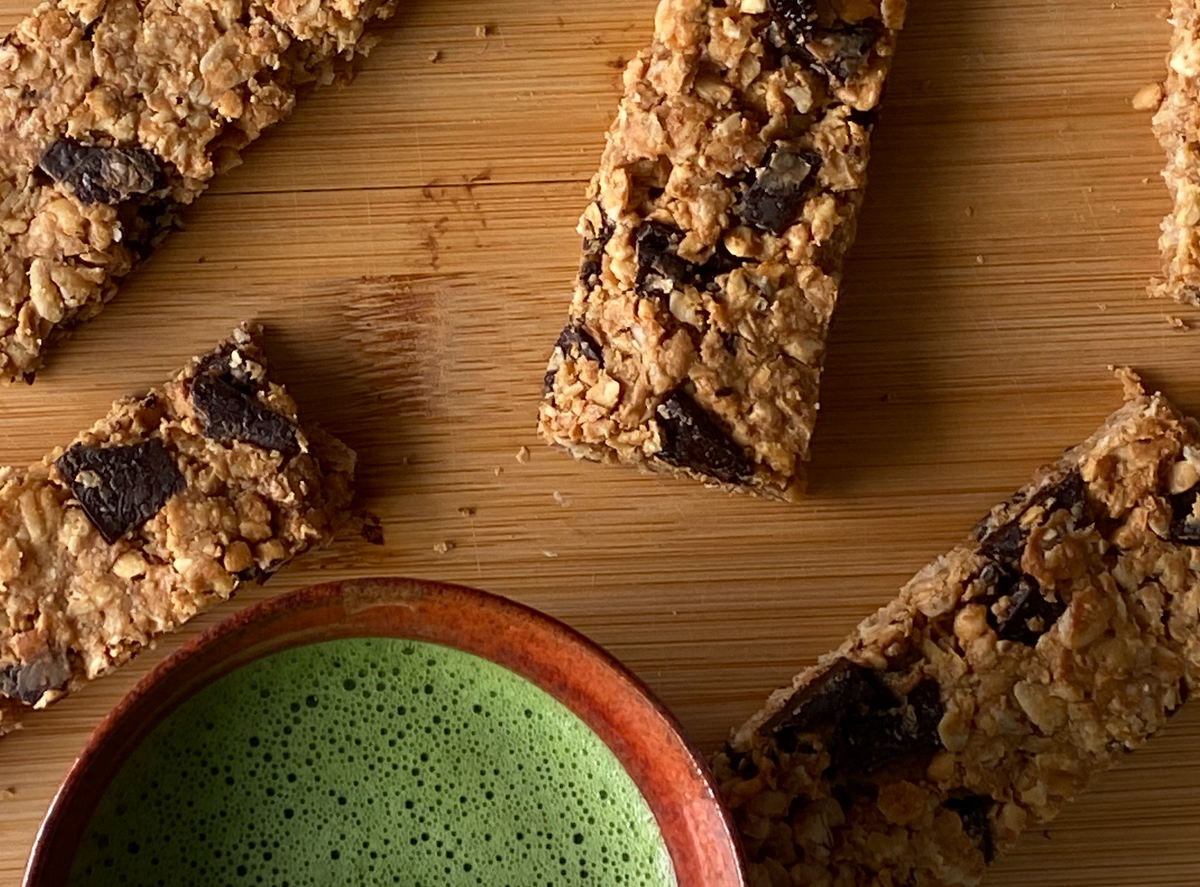
- The first step: The ceremony generally begins by welcoming the guests and serving sweets to prepare their palates for the tea.
- The second step: The utensils are cleaned and arranged in a precise order. The purification of the tools symbolises the purification of the guests' spirits.
- The third step: The tea is prepared by placing matcha in the tea bowl and adding hot water to dissolve the powder. It is then whisked until it develops a smooth, frothy consistency. Matcha may be prepared either thick or thin during a Japanese tea ceremony, depending on the formality of the occasion.
- The fourth step: The tea is served to the guests with the front of the bowl facing them. Each guest takes the bowl with their right hand, places it on their left palm and takes a sip while appreciating the flavour and the experience. After finishing the tea, the bowl is turned clockwise and the guest bows to express their gratitude.
Benefits of the Matcha Tea Ceremony
Beyond its delicious flavour, the matcha tea ceremony offers many benefits that encourage mindfulness, relaxation and well-being. The ceremony provides an opportunity to slow down and appreciate the present moment, allowing participants to practise mindfulness and find a moment of peace in their busy lives.
The tea and utensils used during the ceremony are often made from natural materials such as bamboo and clay, helping participants connect with nature and develop a sense of harmony with their surroundings.
The ceremony is an opportunity to slow down and appreciate the present moment.
Alongside the meditative qualities of the ceremony, matcha is also known for its naturally occurring antioxidants and its combination of caffeine and L-theanine. Together, caffeine and L-theanine can promote a feeling of calm alertness and concentration.
A Matcha Tea Ceremony Is a Beautiful and Unique Experience
The matcha tea ceremony is a beautiful and unique experience that offers many benefits to those who take part. Rooted in tradition, the ceremony offers an opportunity to connect with oneself, others and nature. Preparing and serving tea with traditional utensils is a ritualistic and meditative practice that encourages mindfulness, relaxation and well-being.
If you would like to experience a matcha tea ceremony for yourself, our shop offers ceremonial-grade matcha that is perfect for this special occasion. With our high-quality matcha and traditional utensils, you can discover the magic of matcha and immerse yourself in the beauty and serenity of this ancient Japanese tradition.
The matcha tea ceremony is a unique experience.
```
Japanese Matcha vs Chinese Matcha: What Is the Difference?
Matcha White Chocolate-Covered Strawberries: An Irresistible Treat